Pot & Coat
Protect Electronic Assemblies
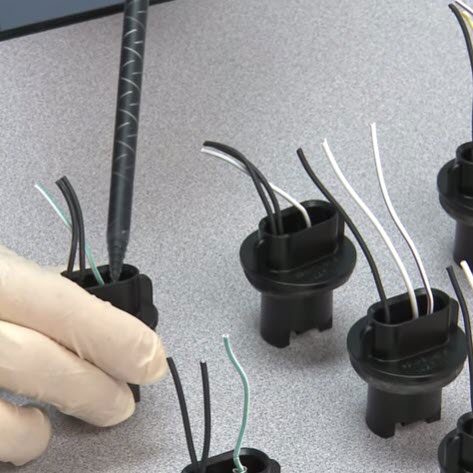
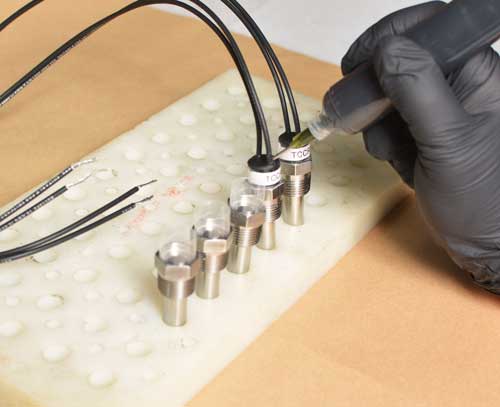
Our potting and coating services will provide better protection for your electronic assemblies such as transformers, cable, circuit boards and other parts that will be exposed to harsh environments. Adding potting or coatings to your components or bases will protect your device from:
- sharp changes or extreme temperatures
- moisture
- shocks or impacts
- vibrations
- loosing of wires or added components/terminations
- corrosion or chemical damage from salt, acids, most solvents
- and/or bases are often potted or coated to provide additional protection.
This additional protection will help prevent short circuits or other device failures. In short, potting creates a more reliable, ruggedized piece.
Potting typically consists of using one of two techniques:
Potting
Also called “embedment”, the assembly or part is put inside of a mold or pot. The liquid material, that will insulate and protect the finished piece, is poured in the mold where it hardens. Both the pot and the hardened compound become part of the final product. Potting provides a high level of protection but makes it difficult to repair or rework a piece.
Conformal Coating
These non-conductive coatings are used commonly for circuit board assemblies or similar items with surface mount technology. A coating that conforms to the shape of the item is applied to the piece instead of the piece being placed in a molded and completely encased. Conformal coating, since it is not a complete encasement of a part and is usually transparent, is easier inspect and repair and weighs less than traditional potting.
Potting and Coating Materials & Selection
Potting and conformal coatings are done with a range of materials including:
- silicon
- polyurethane
- acrylic
- epoxy
- parylene
The potting or coating material for any project should be selected based on the piece’s application and requirements such as:
- cure time
- finished product’s environmental requirements for temperature, humidity, shock, vibrations, etc.
- toughness and durability
- needed dialectric properties
- resistance to solvents
- thinness of finished piece
Testing and quality control
All our products, including wire leads, are tested using the Cirris System to make sure the products function to the required level.
Learn more about our commitment to quality